The Architecture of a Life
To choose well is not to choose alone.
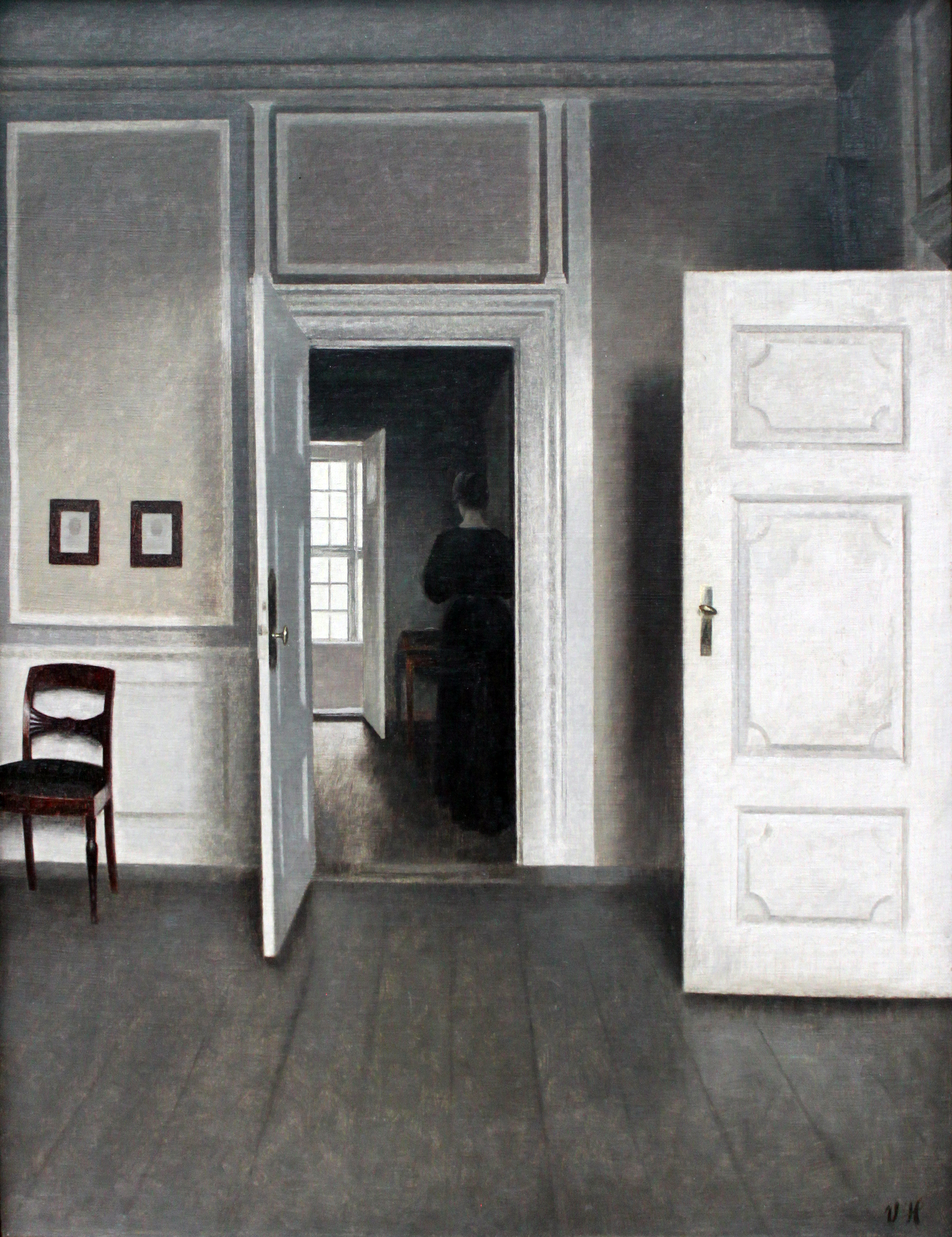
Autonomy is a door: bright brass handle, hinges polished by decades of reverence.
We teach ourselves to knock, to wait,
to believe that the door itself is the house.
But the house holds the truths autonomy can’t name:
the beams carved by love, the windows framed by grief,
the floorboards worn smooth by the weight of choices in the long arc of life.
There is a room where your mother hummed while folding laundry,
where the smell of bread lingered longer than the afternoon,
where someone first taught you
that keeping a promise mattered.
There is a room no visitor would understand,
the chair no one sat in after he died,
the cracked mug that was never thrown away,
the silence that slowly became its own kind of prayer.
Other rooms are built from stories families tell
when asked, “Tell us about your mother.”
Others are built from the quiet convictions no directive ever captures.
Others are built from the stubborn hope that we can still choose the good
even when our bodies betray us.
Autonomy is a key: useful, but small.
It cannot tell which room held the laughter,
which room held the fear,
which room held the promise that love would not abandon you
when you could no longer stand.
But the house remembers,
its rafters held up by those who shaped us,
its walls strengthened by the ones we trusted,
its roof repaired by hands not our own
when illness tore through like a storm.
To choose well is not to choose alone.
It is to stand in the doorway with those who know the shape of your life,
who can say, “This is who she was,”
when you can no longer speak your own name into the future.
Autonomy asks, “What would you choose?”
A better question: “What made you who you are?”
And in the end, when the house grows quiet
and the lights dim in rooms once filled,
it is not the door that keeps you human.
It is the home your life built,
and the ones who enter to carry you the rest of the way.
Sarah Milbrandt
Sarah Milbrandt is a pre-medical student and MPH candidate in Epidemiology at the University of Florida. Her clinical and research work centers on women's and maternal health, medical mistrust, and the relational dynamics that shape trust between patients and physicians.